
Television has changed dramatically over the past decade. Instead of relying only on cable or satellite, many people now watch TV through the internet. This shift has led to the rise of IPTV. But for many beginners, the first question is simple: what is an IPTV service and how does it work?
In this guide, we’ll explain everything in simple terms, including how IPTV works, the types of services available, its benefits, and what you should know before choosing a provider.
What Is an IPTV Service and How Does It Work?
To understand what is an IPTV service, it helps to first break down the term IPTV. IPTV stands for Internet Protocol Television. Instead of broadcasting TV channels through satellite signals or cable networks, IPTV delivers television content through an internet connection.
In simple terms, IPTV allows you to stream TV channels, movies, and shows using the internet. The content is delivered through data packets over a network, similar to how websites and videos are delivered online.
With traditional television, content is broadcast simultaneously to everyone. IPTV works differently. It sends the content directly to the user when they request it, making the experience more flexible and personalized.
What Is an IPTV Service in Simple Terms?
If you’re wondering what is an IPTV service in the simplest way, think of it as Netflix for live TV channels and on-demand content combined.
Instead of using a satellite dish or cable box, users connect to an IPTV provider through the internet. After subscribing, they can access hundreds or even thousands of channels and video libraries using compatible apps or devices.
For example, a user might open an IPTV app on their smart TV or streaming device and immediately access live sports, movies, international channels, or TV series.
Technologies Behind IPTV
Behind the scenes, IPTV relies on several technologies that ensure smooth streaming and fast delivery of content.
One important component is content delivery networks (CDNs). These networks store and distribute media files from servers located around the world. This helps reduce buffering and ensures faster streaming.
Another key technology is streaming protocols, which allow video to be transmitted efficiently over the internet. These protocols break video into smaller pieces and send them continuously to the user’s device.
Because of these technologies, IPTV services can deliver high-quality video, including HD and 4K content, to viewers around the globe.
Types of IPTV Services Available
Understanding what is an IPTV service also means knowing that there are several different types of IPTV content. Most providers offer a combination of the following services.
Live IPTV Streaming
Live IPTV streaming is the closest experience to traditional television. Users can watch channels in real time as programs are broadcast.
This includes content such as:
- News channels
- Sports events
- Entertainment programs
- International television networks
Live IPTV is especially popular for sports fans who want access to global sports channels and live matches.
Video on Demand (VOD)
Video on Demand, often called VOD, allows users to watch movies and TV shows whenever they want.
Instead of waiting for a scheduled broadcast, viewers simply select the content they want from a library. The video starts instantly, much like streaming platforms.
VOD libraries in IPTV services often include:
- Movies
- TV series
- Documentaries
- Kids content
This flexibility is one reason IPTV has become so popular.
Time-Shifted IPTV
Time-shifted IPTV gives viewers more control over when they watch programs.
Features may include:
- Catch-up TV (watch programs after they air)
- Pause and rewind live TV
- Replay shows that aired earlier in the day
These features make IPTV more convenient than traditional TV broadcasting.
Benefits of Using an IPTV Service
Now that you understand what is an IPTV service, it’s important to explore why so many people are switching to it.
Greater Flexibility
IPTV allows users to watch content whenever and wherever they want. As long as there is a stable internet connection, viewers can access their favorite programs.
Large Content Libraries
Many IPTV providers offer thousands of channels and extensive video libraries. This means users can explore international channels, movies, and shows all in one place.
Multi-Device Support
Another advantage is compatibility with multiple devices. IPTV can be accessed through:
- Smart TVs
- Smartphones
- Tablets
- Streaming devices
- Computers
This allows viewers to watch content on the device that suits them best.
Cost-Effective Option
In many cases, IPTV subscriptions cost less than traditional cable packages. Users can access more channels and on-demand content at a lower monthly price.
Devices That Support IPTV Services
One of the reasons IPTV has grown so quickly is its wide device compatibility.
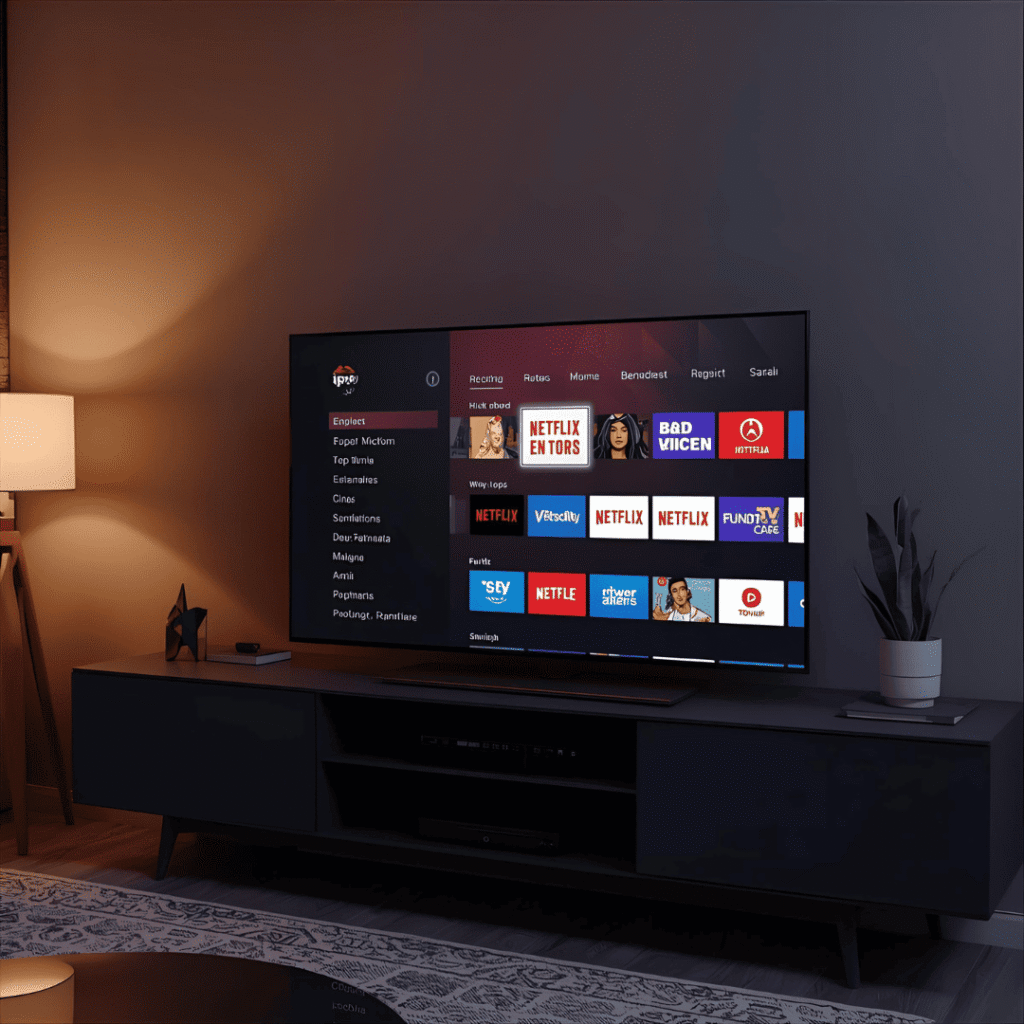
Smart TVs are among the most common devices used for IPTV streaming. Many modern televisions support IPTV apps that allow users to access services directly.
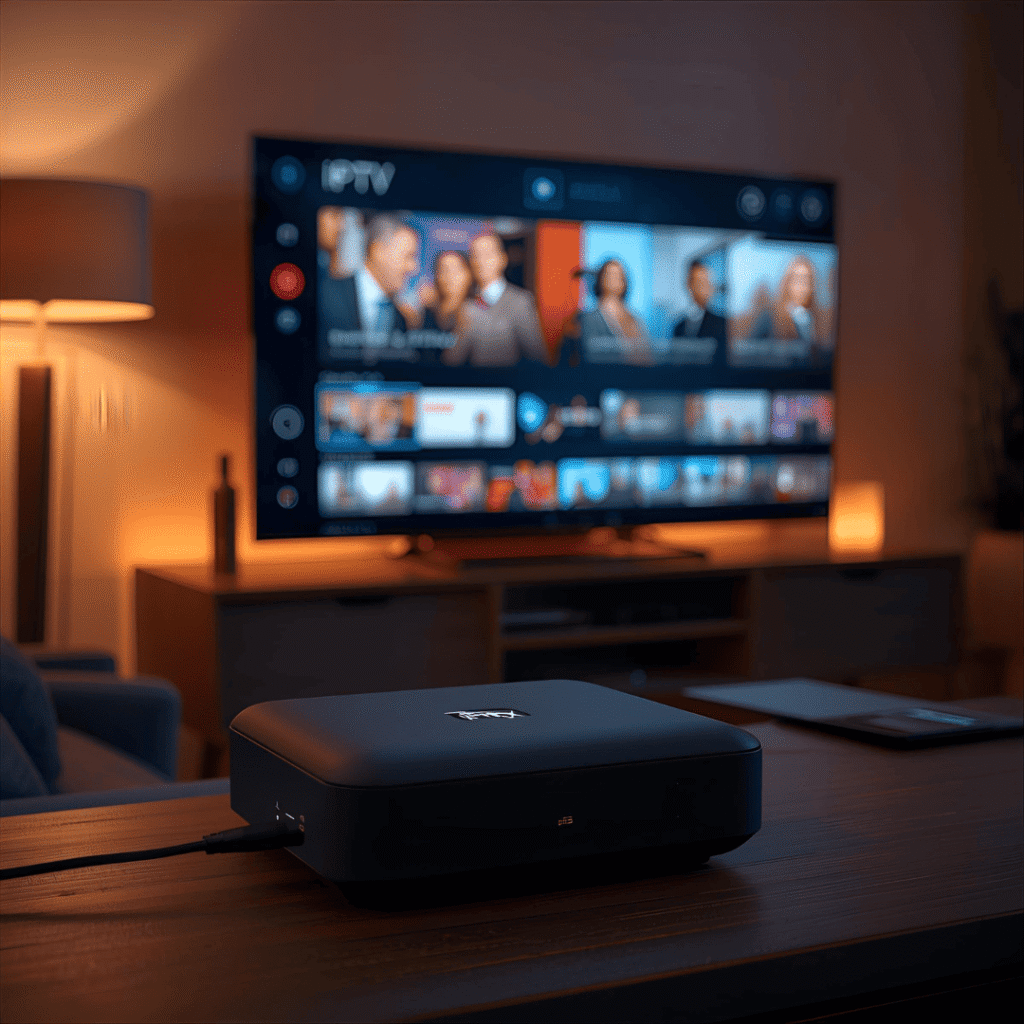
Streaming devices such as Android TV boxes or similar platforms are also widely used. These devices connect to televisions and provide access to IPTV apps and streaming services.
Smartphones and tablets make IPTV even more portable. With the right application, users can watch live channels or movies while traveling or commuting.
Finally, IPTV can also be accessed through computers and laptops using dedicated software or web-based players.
How to Choose the Best IPTV Service
If you are considering IPTV, choosing the right provider is important.
First, look at the channel selection. A good service should offer a variety of channels that match your interests, such as sports, movies, news, or international content.
Streaming quality is another key factor. Many modern IPTV services provide HD and 4K streaming, but this also depends on your internet speed.
Device compatibility should also be considered. Make sure the service works with the devices you plan to use.
Customer support and reliability are equally important. A stable IPTV provider should offer good uptime, fast servers, and helpful support if problems arise.
Finally, review the pricing plans to ensure they fit your budget.
Is an IPTV Service Legal and Safe?
A common question people ask when researching what is an IPTV service is whether it is legal.
The answer depends on the provider. Some IPTV services operate legally by obtaining proper licenses to distribute content. Others may stream copyrighted material without permission.
To stay safe, it is important to choose reputable providers and avoid suspiciously cheap services that promise unrealistic channel lists.
Users should also protect their privacy online and ensure they are using secure platforms.
Conclusion: What Is an IPTV Service and Is It Worth It?
So, what is an IPTV service in today’s digital world? Simply put, it is a modern way to watch television using the internet instead of traditional broadcast methods.
With features like live TV streaming, on-demand content, and flexible viewing across multiple devices, IPTV has become an attractive option for many viewers.
For people who want more control over what they watch and when they watch it, IPTV offers a convenient and often cost-effective alternative to cable or satellite TV.
As internet speeds continue to improve and streaming technology evolves, IPTV is likely to play an even bigger role in the future of entertainment.